

Unluckiest Streak Logged in Turbo Mines Game from UK
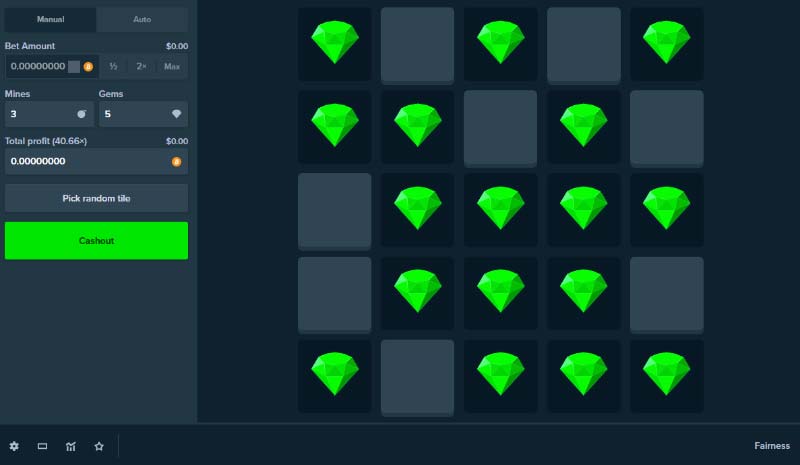
A story has emerged from the UK’s online gaming scene that has amazed players of the instant-win turbominesgame. It’s a story not about a minor setback in luck, but about a statistical event so extreme it seems to challenge the laws of probability. At its heart is a player, determined to a fault, who walked into a digital minefield and ended up with what might be the most disastrous run of losses ever recorded for the game. Platform data and forum whispers corroborate the details, drawing a portrait of grit facing down ludicrous odds. This saga provides a blunt lesson in variance, the importance of controlling your money, and the sheer, wild unpredictability of luck-based games that enthrall players all over Britain.
Common Questions
What is the Turbo Mines game?
Turbo Mines is a fast online instant-win game. You select tiles on a grid to find hidden gems, which increase your stake. You need to collect your growing winnings before you hit a hidden mine. If you hit a mine, the round ends and you forfeit that round’s potential payout. It mixes simple rules with a constant risk-versus-reward decision.
Was that the unlucky streak proof the game is rigged?
Not at all. The streak, while extremely rare, is a documented case of natural probability in action. Games offered to UK players, including Turbo Mines, use certified Random Number Generators that are audited independently for fairness. Extreme results like this are conceivable in any truly random system. Interestingly, their occurrence helps confirm the game’s integrity.
What is the best way to I avoid a terrible losing streak in Turbo Mines?
Use careful money management. Set a loss limit before you play and stick to it. Never chase losses. Adopt a prudent approach to cashing out, securing smaller wins regularly. Most importantly, use the responsible gambling tools the site provides, like deposit limits and session timers. These assist you stay in control and keep the experience recreational.
Can you recommend the best strategy for Turbo Mines?
No strategy promises a win. Effective tactics include starting with fewer mines on the grid, setting a sensible cash-out target early (like doubling your stake), and using a system where you reinvest only a portion of your profits. Restraint is the real key. Know when to stop, and always treat the game as fun, not a way to make money.
Do games like Turbo Mines popular in the UK?
Yes, they are very popular. Instant-win and skill-based bonus games like Turbo Mines offer a rapid, interactive alternative to traditional slots or card games. They draw players who enjoy having a direct hand in the action and making strategic choices, all within the UK’s strictly regulated and secure online gaming market.
Where do I play Turbo Mines safely in the UK?
You should only play at casinos licensed by the UK Gambling Commission. Licensed sites show their licence number at the bottom of their homepage. They provide player protections, fair games, and responsible gambling tools. Always look for that licence, read the terms, and confirm the platform encourages safe play before you deposit any money.
The way the UK Gaming Community Replied
After fragments of this streak were leaked onto en.wikipedia.org social media and UK gaming forums, the response mixed shock, pity, and a deep, curious fascination. British players, with their trademark dry wit and community focus, quickly coined new slang. Phrases like « doing an Alex » now refer to a round that ends almost as soon as it begins. The episode ignited debates about Random Number Generators and how we know they’re fair. Many commentators observed that the UK Gambling Commission’s tight rules mean games like Turbo Mines are audited regularly for fairness. That made the streak a certified, if brutal, demonstration of real randomness. This community consensus converted the incident from a potential scandal into a legendary tale of woe. It became a shared benchmark that highlights the game’s thrilling uncertainty.
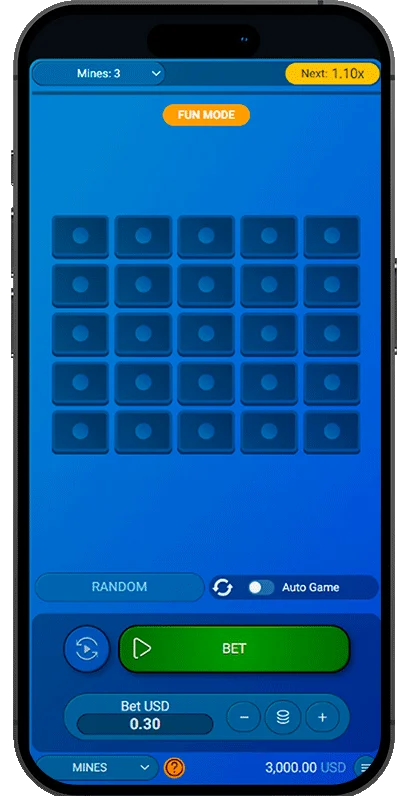
UK streamers and content creators latched onto the narrative. Some launched « The Alex Challenge, » trying to see how long they could last while using the same aggressive tactic. These live streams boosted the streak’s fame, acting as public, interactive lessons in probability. The shared lesson wasn’t that the game was broken. Instead, players gained a fresh respect for its ability to generate stories that sit on the very edge of statistical possibility. A sense of camaraderie grew from the chaos. People started sharing their own personal tales of spectacular bad luck, building a subculture of gaming war stories that reinforced community bonds. It served as a humbling reminder: in games of chance, everyone is at the mercy of fortune’s whims, whether they play for pennies or pounds.
The Breakdown of a Record-Breaking Losing Streak
To grasp what happened, you must understand how Turbo Mines works. Players encounter a grid, usually five squares by five, containing gems and mines. You click tiles to find gems and increase your bet, and you have to collect your winnings before clicking a mine, which eliminates the round’s potential payout. The main strategic choice is picking the moment to cash out. Our player, a UK enthusiast we’re referring to as « Alex, » started a session targeting steady, small wins. The plan was to clear a large section of the grid—specifically, 20 safe tiles out of 25—before collecting the money. Statistically, hitting a mine early when you’re that aggressive is always a risk. What happened to Alex, though, was something else. Session records show a sequence no one had seen before: seventeen rounds in a row where a mine was uncovered within the first three tile clicks. The odds of that are incredibly small.
Breaking Down the Probability
Consider the numbers. On a standard 5×5 grid with five mines, the chance your first click hits a mine is 5 in 25, or 20%. The probability of finding a mine within your first three clicks is higher, but still a gamble. For that to happen seventeen consecutive times requires multiplying those probabilities over and over. The final number is so tiny it feels impossible. It’s like flipping a coin and watching it land on tails fifty times without a single heads. This wasn’t just a rough patch. It was a perfect avalanche of bad variance, a black swan event in the world of Turbo Mines. Players from London to Glasgow now call it as the « Cursed Run, » a new standard for bad luck.
The Psychological Tipping Point
The human element here is as compelling as the math. Faced with such unrelenting failure, Alex likely fell into a classic trap known as the gambler’s fallacy: the idea that a win is « due » after a string of losses. Forum reports suggest that after loss number ten, Alex doubled the bets, certain that the laws of probability would finally swing back. This escalation, driven by frustration and the urge to win back what was lost, forms the core of the story’s warning. It shows how a game like Turbo Mines, which has a strategic layer, can still damage your emotional control. The most hazardous mine isn’t always on the grid; sometimes it’s hidden in a player’s own choices during a tense session.
Turbo Mines: Excitement Built on Verified Randomness
Accounts like this one, strangely enough, ultimately demonstrating the fairness of tightly regulated games. Turbo Mines, available to UK players, runs on a verifiably fair Random Number Generator system. Independent testing agencies like eCOGRA and iTech Labs check these systems periodically. They verify every tile click is an independent event, with no recollection of what came before. The fact that such a uncommon losing streak can happen is, in a roundabout way, proof the system works as intended. In a genuinely random environment, every sequence of events will appear someday, no matter how unforeseeable. The UK’s solid regulatory landscape enables us to examine this story as a remarkable outlier, not a red flag. It secures a level playing field where amazing tales of both luck and despair can happen for real.
That same framework obligates operators to provide responsible gambling tools. These features are a player’s finest protection against a bad run. Deposit limits, time-out options, and session reminders aren’t just bureaucratic ticks on a checklist. They are essential safeguards. We advise every player, whether driven by this tale or just playing for fun, to use these tools from the start. Setting a deposit limit, for example, would have automatically ended Alex’s session much sooner, turning a legendary loss into a minor setback. So this unprecedented unlucky streak stands as a real-world example of why these tools matter. They help preserve the stimulating, strategic appeal of Turbo Mines exactly what it should be: a fun, controlled part of the UK’s vibrant gaming scene.
Insights Gained from Extreme Variance
Examining this historic run teaches crucial lessons, notably about controlling your money. The key insight is the essential requirement to establish a loss limit before you even click your initial tile. Alex’s journey illustrates how seeking to reclaim losses during a bad run can multiply the financial damage in no time. A good rule is to choose a session budget you’re okay with losing entirely, and then consider that money as the expense of your entertainment. This story also raises the humble « cash out » button to hero status. A fundamental skill in Turbo Mines is resisting greed and collecting wins at sensible moments, no matter how appealing it feels to linger for a bigger payoff. That unlucky streak started with a lofty target; a more prudent goal might have yielded a series of small victories instead of a deluge of zeroes.
Tactical Changes Post-Streak
Following this event, careful players have modified their approaches. One popular change is a « two-stage » strategy. First, shoot for a quick, small multiplier on your stake—say, 1.5x. Cash that out immediately. Then, use a portion of those winnings and use them for a more bold second round. This approach ensures some profit and establishes a psychological buffer against a sudden loss. Another lesson is knowing when to stop. If you lose three or four rounds back-to-back, a five-minute break can recalibrate your emotional state and let you return with a clearer head. These adjustments don’t remove risk. Turbo Mines is a risky game by design. But they do help protect you from the kind of crushing variance our UK player faced, turning a reckless session into a more controlled, strategic form of play.